Age well physically and mentally by keeping strong
Aging well isn’t about slowing down- it’s about staying capable; both physically and cognitively.
One of the biggest predictors of independence, confidence, cognition and quality of life as we age is strength. Not just how much you can lift, but how well your body can support you in everyday tasks like getting up from a chair, carrying groceries, climbing stairs, solving problems, rembering facts, or keeping your balance.

The good news? Strength is trainable at any age.
Why Strength Matters as We Age
From around the age of 30, we naturally begin to lose muscle mass and bone density if we don’t actively work to maintain them.
This process accelerates with age and can contribute to:
Reduced balance and increased falls risk
Joint pain and stiffness
Loss of independence
Slower recovery from injury or illness
Reduced confidence in movement
Strength training helps counteract these changes by maintaining muscle, supporting joint health, improving bone density and keeping the brain and nervous system sharp.
Strength = Independence
Physical strength is what allows you to:
Get up off the floor
Walk confidently without fear of falling
Carry your shopping or grandkids
Keep doing the hobbies you enjoy
Stay active without pain holding you back
When strength declines, everyday tasks become harder. When strength is maintained, life stays bigger.
It’s Not About Heavy Lifting
Keeping strong doesn’t mean you need to train like an athlete or lift heavy weights in a gym.
Effective strength training is about:
Using the right exercises for your body
Training movements you use in daily life (squatting, hinging, pushing, pulling, carrying)
Progressing gradually and safely
Being consistent
For many people, especially those with injuries or ongoing pain, individualised and supervised exercise is key to building strength without flare-ups or setbacks.
Strength Exercise for Bone Building
If your goal is to build bone density or slow the progression of osteoporosis, the type, intensity, and frequency of exercise matter. Bone is living tissue and it adapts to the forces placed upon it so responds to mechanical loading. The right “dose” of exercise can stimulate bone-building cells, improve strength and reduce fracture risk.
Heavier resistance stimulates osteoblast activity (bone-building cells). Therefore, programs that incorporate moderate-to-high weight bearing impact loads (>2 times body weight) that are progressive, novel and multidirectional can be osteogenic for premenopausal women and older adults. Head to this article and this one to find out more about building bone and the important considerations when this is your goal. At Back to Bounce, we have specialised classes targeted specifically for building bone. Follow this link for further information.
Strength Training as a Tool for Brain Health
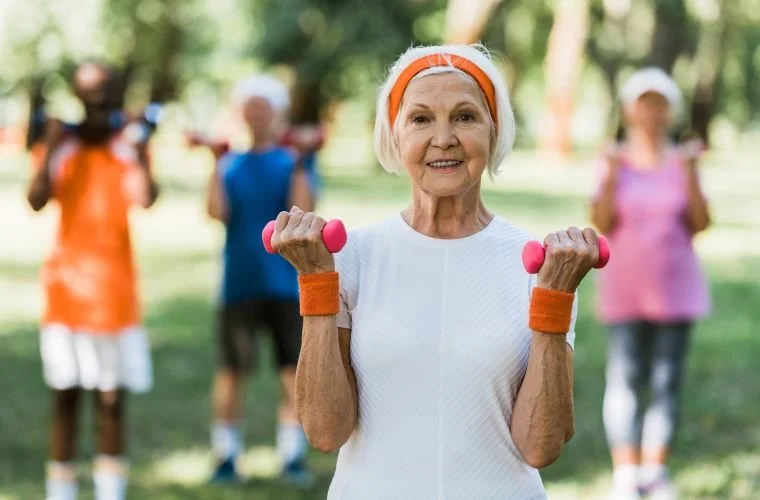

The importance of strength training reaches far beyond the physical benefits however. Dr Louisa Nicola; a clinical neurophysiologist whose research suggests that resistance training can induce structural changes in the brain that are associated with a lower risk of Alzheimer’s disease and dementia. Dr Nicola emphasizes that resistance training isn’t just about improving how you look or how much you can lift. It directly impacts brain structure and function. Research shows that regular strength training can produce structural changes in areas of the brain vulnerable to Alzheimer’s disease — particularly regions involved in memory and executive function. For example, regular strength training in older adults has been linked to improvements in brain areas affected by Alzheimer’s and reduced progression of cognitive decline. Check out some of her interesting work here.
In some studies, training at least twice per week for six months has been associated with protective brain changes and improvements in cognitive performance.
In other words, lifting weights may help strengthen your brain as much as your body.
It’s Never Too Late to Start
Research consistently shows that people in their 60s, 70s, and even 80s can make significant strength gains.
The key factors aren’t age, they’re:
Starting at the right level
Having guidance
Staying consistent
Even small improvements in strength can lead to meaningful improvements in balance, mobility, and confidence.
Aging Well Is an Active Process
Aging well doesn’t happen by accident. It’s built through regular movement, intentional strength work, and choosing to invest in your body.
You don’t need to train harder — you need to train smarter.
If your goal is to stay independent, reduce pain, and keep doing the things you love as you age, strength training is one of the most powerful tools available.
Strong bodies age better.
If you’re unsure where to start, working with an Accredited Exercise Physiologist can help ensure your training is safe, individualised, and designed to support you long-term.
Practical Takeaways
Strength is vitally important to help maintain independence moving into older age.
Resistance training ≥2× per week helps to build strength and benefit cognition and brain health.
Focus on progressively challenging exercises that build muscle strength (e.g., squats, deadlifts, presses) — but tailor intensity to your health and ability. Get advice from an accredited exercise physiologist on how to get started.
Impact, balance and strength training 2-3 times per week helps to build bone, manage and event prevent Osteoporosis and risk of fractures associated with falling.
Strength training benefits metabolic health (blood sugar control, inflammation), which in turn supports brain health.
Get support, guidance, a workout buddy, or join one of our group classes at Back to Bounce to get started on your healthy aging journey.