
Are you unsure whether you need a Physiotherapist or an Exercise Physiologist? Here's how the two roles differ, and how they work together. At Back to Bounce, we believe in delivering a personalised approach to your care, where every treatment plan is tailored to your needs through combining the appropriate services and expertise to get you back to your best.
"Should I see a Physio or an Exercise Physiologist?" Is a question we hear regularly. Both roles use exercise, both care about how you move, and both can be part of a plan built around your goals. But they each have different areas of expertise and focus, and knowing the difference can help you start in the right place.
A simple way to think about it:
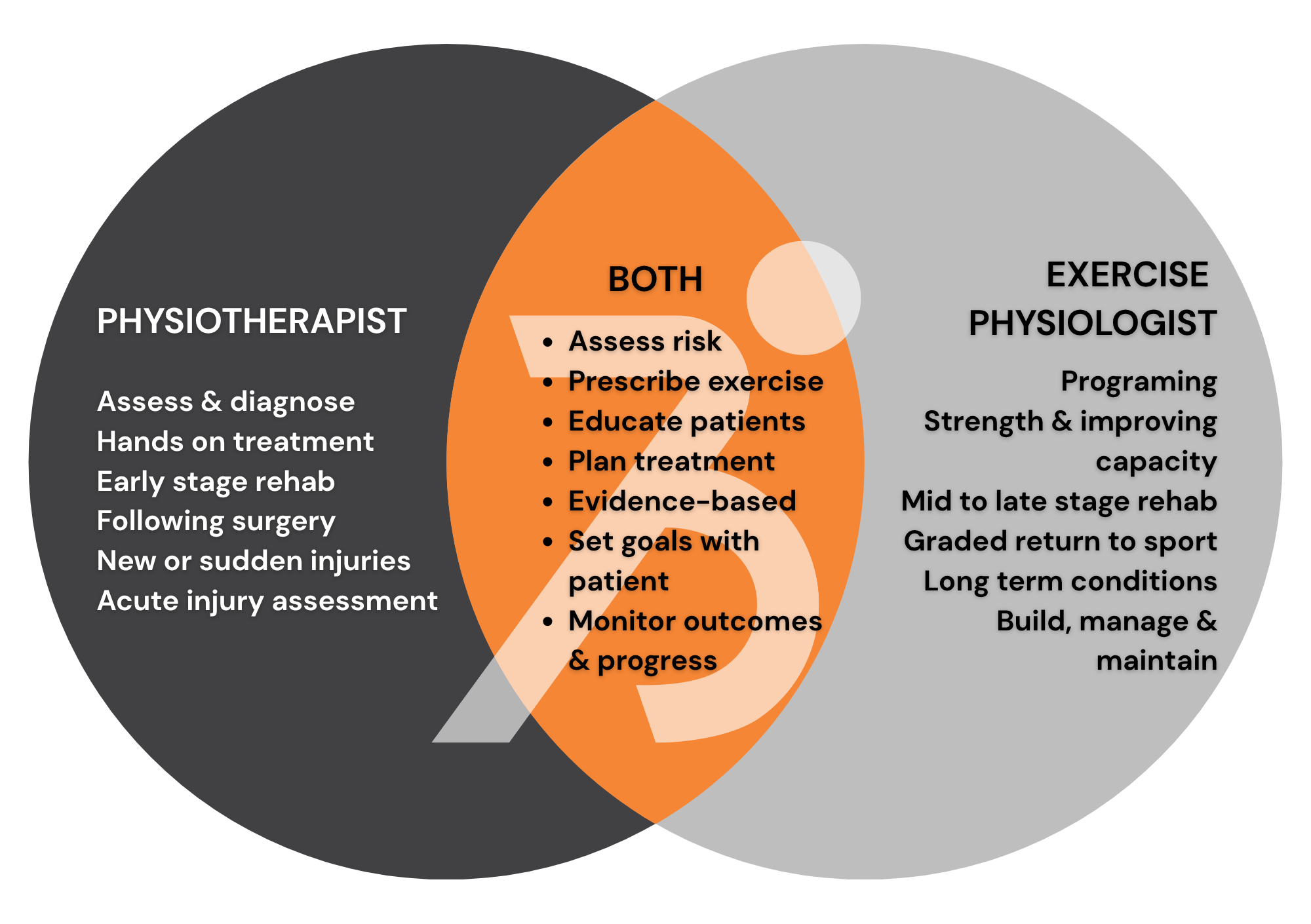
Physiotherapists assess, diagnose and treat a wide range of conditions. These include problems affecting your muscles, bones and joints and nerves. Think of a Physiotherapist as someone you see when things aren't going to plan: a sudden injury, a new or unexplained pain, or the early stages of recovery after surgery. Physios focus on assessing, treating and rehabilitating injuries, pain and movement problems. Think hands on treatment, manual therapy, mobility restoration and short-term recovery after injury or surgery.
Exercise Physiologists design exercise programs to rehabilitate injuries and build strength and everyday function. That covers muscle, joint and tendon injuries as well as long-term health conditions. Their work is exercise-based and includes education about physical activity and support with lifestyle changes. Think of an Exercise Physiologist as someone you see to rebuild after an injury and to support your training and long-term health: continuing your rehab once the early stage has settled, building strength and physical capacity, and managing a condition over time. They utilise exercise as medicine to manage chronic conditions (like diabetes, heart disease, persistent pain) and to improve long-term function, strength and fitness.
It's a guide rather than a rule, and plenty of people benefit from both.

What a Physiotherapist does:
Physiotherapists assess, diagnose and treat injuries and pain. They're often the first stop for new, sudden or undiagnosed problems.
Treatment may include:
Hands-on techniques such as joint mobilisation and soft tissue massage
Dry needling, where appropriate
Early-stage exercise rehabilitation
Education about what's going on and what to expect
Physio is also where many people begin after surgery, with a focus on managing pain, protecting the area and starting to move again safely.
What an Exercise Physiologist does:
Exercise Physiologists use structured, clinical exercise programs. Their focus is on progressive training that may help you recover from musculoskeletal injuries, manage chronic conditions and build long-term physical capacity.
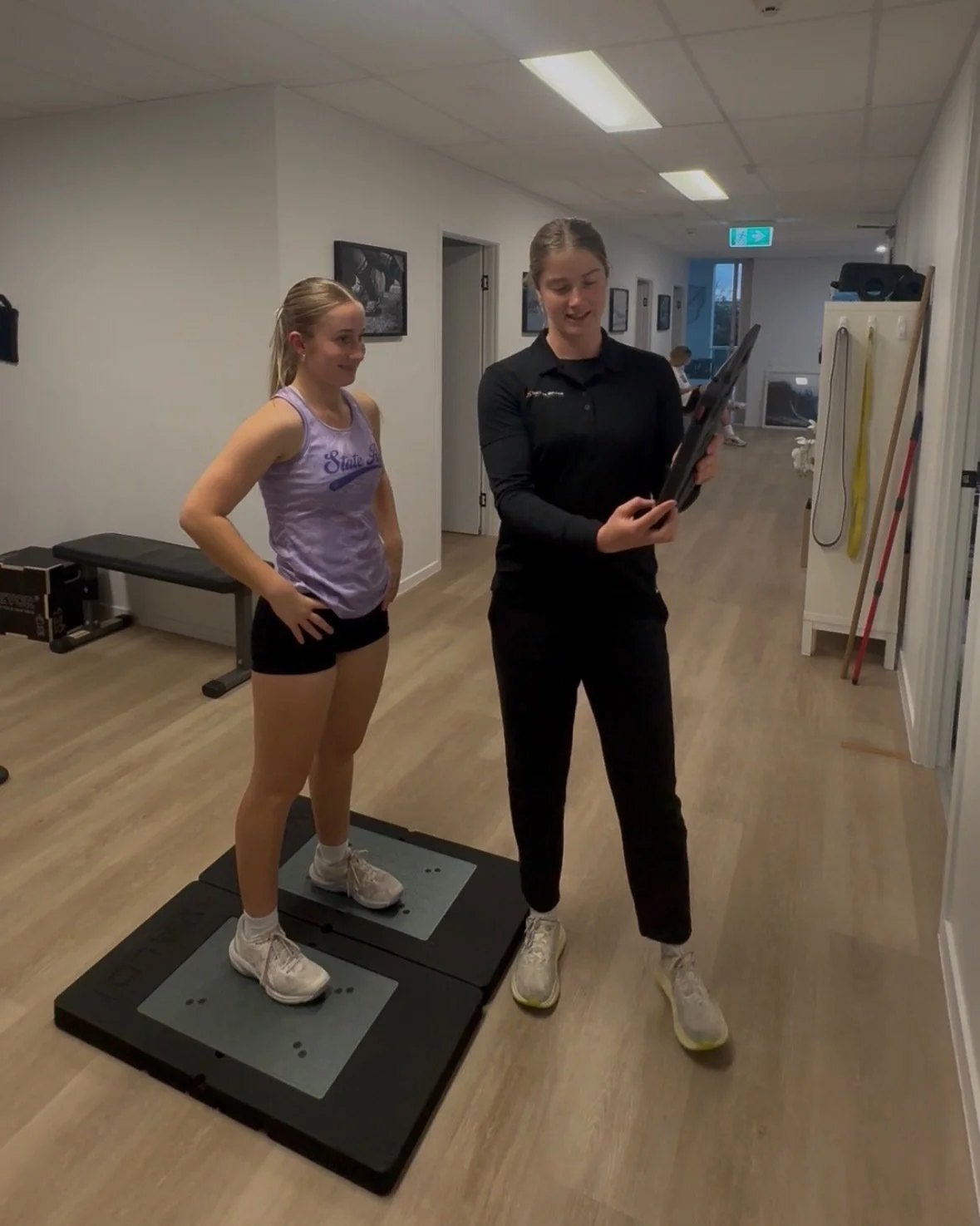
A large part of this work is musculoskeletal. Exercise Physiologists often take over after physio, once an injury has been assessed and the early pain has settled. They guide the middle and later stages of rehab: rebuilding strength, restoring movement and working back towards sport, work or everyday life. Common examples include back and neck pain, shoulder, hip, knee and ankle injuries, tendon problems and rehab after surgery.
Treatment may include:
Testing your strength, movement and physical capacity
An exercise program built around your injury or condition, and progressed over time
A graded return to sport, work or daily activities
Education about pain, managing load and staying active
Exercise physiology also suits people with an already-diagnosed condition, such as diabetes, heart disease, osteoarthritis or osteoporosis, and anyone who wants a long-term plan for strength, conditioning and injury prevention.
How they work together
The roles overlap more than they divide. Here's what that can look like:
Injury rehab and return to sport or work: your physio assesses and diagnoses the injury and manages the early stages. Your exercise physiologist may then take over your rehab, progressing your strength, movement and loading until you're back to what you want to do.
Long-term conditions: an exercise physiologist may lead your exercise program, with your physio stepping in if a flare-up or new injury appears.
Under one roof: at Back to Bounce, both roles sit within the same team and the same plan. Your clinicians can share what they find, so you aren't repeating your story or working from two different sets of advice.
Essentially, both physios and exercise physiologists;
Assess risk
Prescribe exercise
Educate patients
Help facilitate behavior change
Guide, support and encourage our patients on their healthcare journey
Track outcomes
Design treatment plans
Work alongside Doctors, surgeons, coaches, dietitians, massage therapists and other healthcare professionals.
Collaboration is our greatest strength

At Back to Bounce, we work together to set and deliver new standards of care and offer clinical expertise, with a commitment to the ongoing education and development of our team to deliver the best service possible to you. We work closely together to collaboratively deliver the best possible care, based on the individual’s needs and goals. You can guarantee that the attention and support you receive at Back to Bounce is based on clinical excellence, is evidence-based and individualised to ensure each person gains accurate assessment, diagnosis and programming to help them Bounce Back to their Best self.
So whether you’re managing bone health, joint pain, are recovering from surgery or a sporting injury, you can rest assured our team can help support you and get you back on track.
Not sure where to start?
A thorough assessment is the best way to work it out, and we'll talk you through which approach suits your situation and your goals.
Book an appointment to talk it through or talk to our team for further information.